
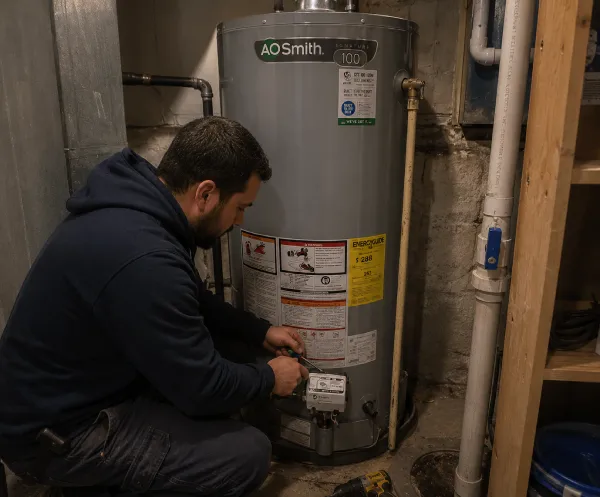
A.O. Smith Water Heater Repair
- No hot water
- Pilot light won't stay lit
- Heating element failure
- Water tank leaking
- Pressure relief valve leaking
- Sediment buildup inside the tank
- Rust-colored or smelly hot water
- Rumbling or popping noises
- Thermostat or gas valve failure
- Anode rod deterioration
- Water heats too slowly


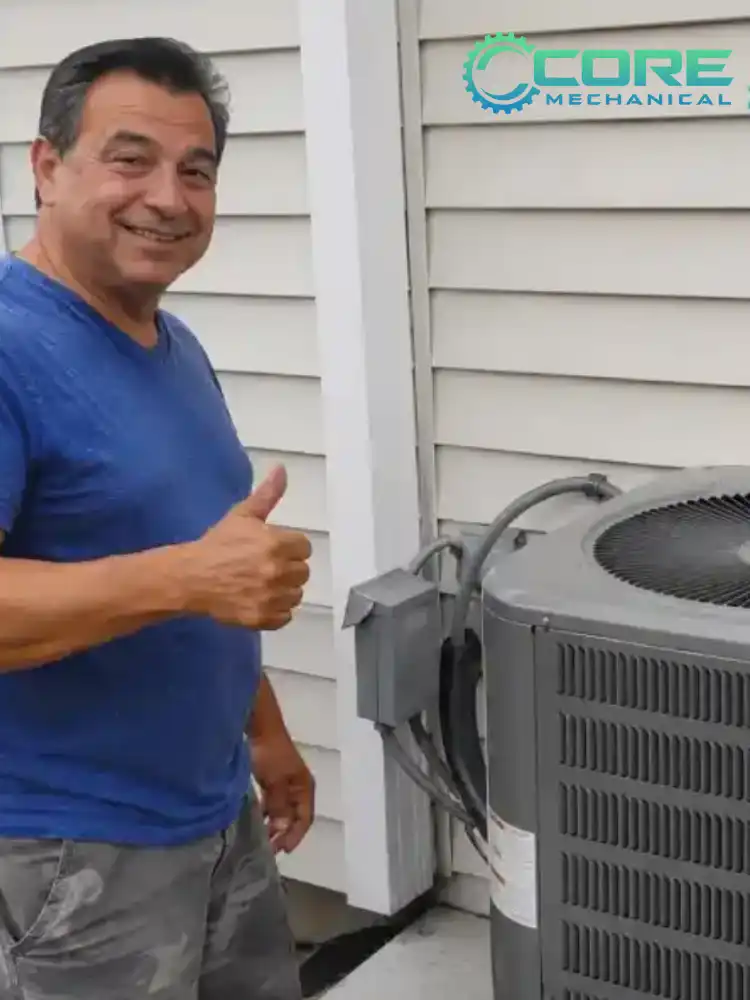
Our Happy Customers









Common A.O. Smith Water Heater Problems We Repair
- No hot water
- Pilot light won't stay lit
- Heating element failure
- Water tank leaking
- Pressure relief valve leaking
- Sediment buildup inside the tank
- Rust-colored or smelly hot water
- Rumbling or popping noises
- Thermostat failure
- Gas control valve problems
- Anode rod deterioration
- Slow water heating
No Hot Water
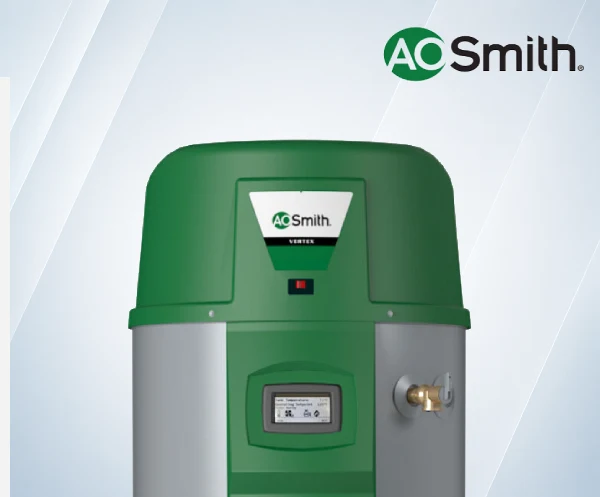
Few household problems become noticeable as quickly as turning on the shower and discovering there's no hot water. On A.O. Smith storage water heaters, this can happen because the gas burner never ignites, an electric heating element has failed, the thermostat is no longer calling for heat, or the high-limit safety switch has interrupted operation. In older units, years of sediment accumulation inside the tank may also reduce heating performance until the water never reaches the desired temperature.
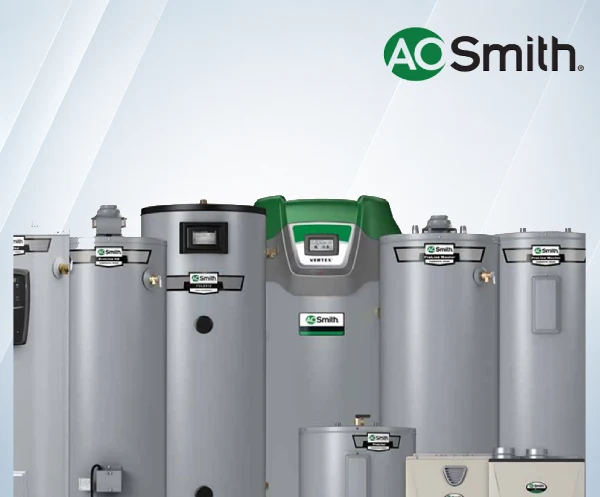
Our technicians inspect the complete heating system rather than replacing parts based on assumptions. We test thermostats, heating elements, gas valves, burner assemblies, electrical circuits, and safety controls to determine exactly why your A.O. Smith water heater has stopped producing hot water. Whether you own a Signature Series, ProLine, Vertex, or Voltex model, we can identify the failure and recommend the most practical repair.
Pilot Light Won't Stay Lit
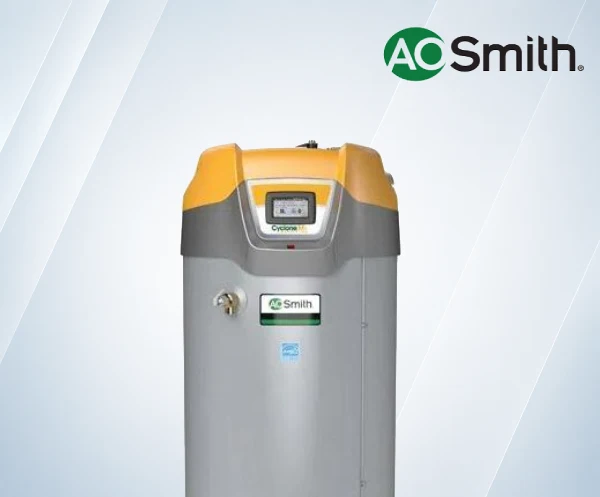
Gas-fired A.O. Smith water heaters rely on a stable pilot flame to ignite the burner whenever the thermostat requests heat. If the pilot lights but immediately goes out, the problem may involve a weak thermocouple, a dirty pilot assembly, restricted combustion air, or a gas control valve that is no longer operating correctly. Simply relighting the pilot rarely solves the underlying issue.
We inspect the burner compartment, clean accumulated debris, test the thermocouple, verify gas pressure, and evaluate the gas control valve before recommending repairs. Correcting the actual cause helps restore reliable operation and prevents repeated pilot outages.
Heating Element Failure
Electric A.O. Smith water heaters use upper and lower heating elements to warm the water stored inside the tank. When one of these elements burns out, the heater may produce only lukewarm water, run out of hot water much faster than normal, or stop heating altogether. Mineral deposits can also coat the element over time, reducing its ability to transfer heat efficiently.
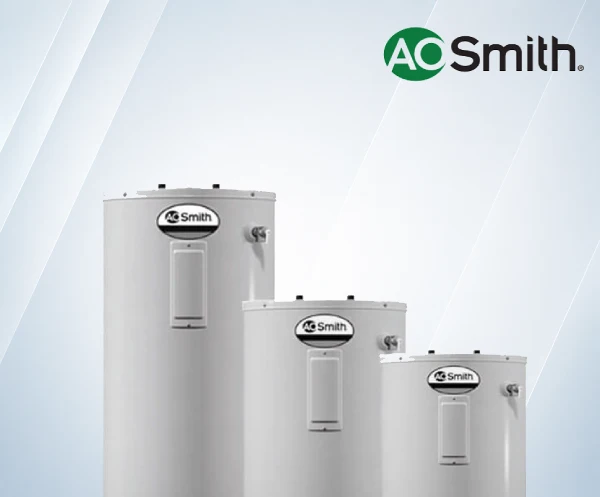
We test both heating elements, thermostats, electrical wiring, and power supply before replacing any components. Our technicians service residential and commercial A.O. Smith electric water heaters, including Signature Series and Voltex Hybrid models, restoring dependable hot water without unnecessary repairs.
Water Tank Leaking
Finding water around an A.O. Smith water heater does not always mean the storage tank has failed. Leaks may originate from loose water connections, drain valves, temperature and pressure relief valves, or condensation forming around the unit. However, corrosion inside the tank itself can eventually create permanent leaks that cannot be repaired.
Our technicians determine exactly where the leak begins before recommending a solution. We inspect fittings, valves, welded seams, and the condition of the storage tank to decide whether a repair is possible or if replacement is the more economical long-term option.
Pressure Relief Valve Leaking
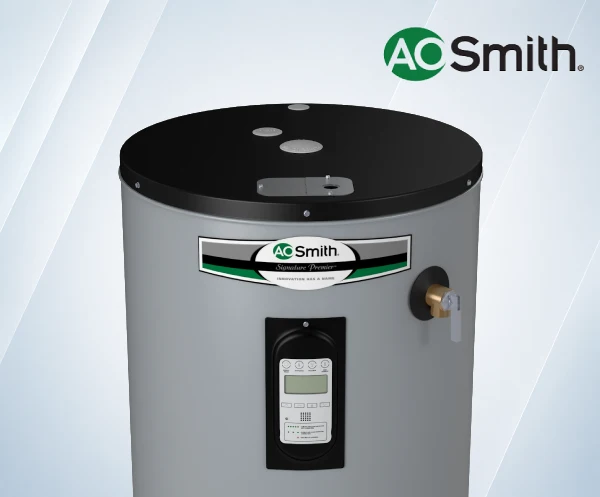
The temperature and pressure relief valve protects your A.O. Smith water heater from excessive pressure inside the storage tank. If water is constantly dripping from this valve, it may indicate excessive pressure, overheating, a worn valve, or an expansion issue within the plumbing system. Ignoring this symptom can eventually affect both the heater and connected plumbing.
We test the pressure relief valve, measure water pressure, inspect the expansion tank when installed, and verify thermostat operation to determine why the valve is releasing water. Once the cause is identified, we perform the necessary repair to restore safe operation.
Sediment Buildup Inside the Tank
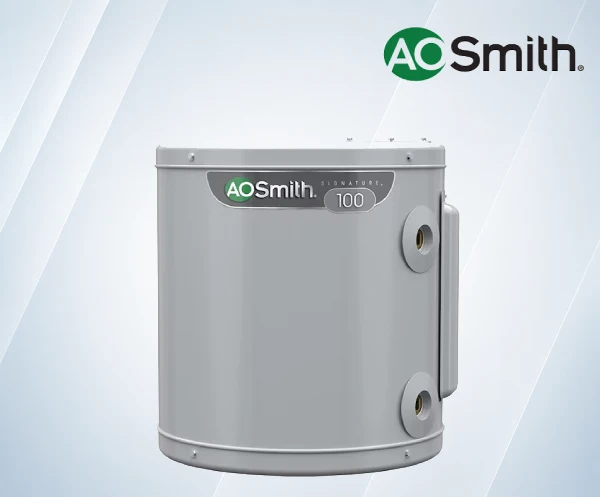
Every time your water heater operates, naturally occurring minerals settle on the bottom of the storage tank. Over the years this layer becomes thicker, making the burner or heating elements work harder to heat the water above it. As efficiency drops, recovery time increases and energy consumption continues to rise. Heavy sediment can also trap heat against the steel tank, accelerating internal wear.
Our technicians flush accumulated sediment, inspect the drain valve, evaluate the condition of the anode rod, and check for signs of overheating caused by excessive mineral buildup. Regular tank flushing is one of the best ways to extend the service life of an A.O. Smith water heater.
Rust-Colored or Smelly Hot Water
Brown, orange, or rusty-looking hot water often indicates corrosion inside the water heater or a worn anode rod that is no longer protecting the steel tank. Some homeowners also notice an unpleasant sulfur odor caused by a chemical reaction inside the tank, especially in areas with certain water conditions. These symptoms should not be ignored because they often become worse over time.
We inspect the anode rod, check the interior condition of the tank, evaluate water quality, and determine whether replacing sacrificial components or performing a complete tank service will restore clean hot water.
Rumbling, Popping, or Banging Noises
Unusual sounds coming from an A.O. Smith water heater usually develop gradually as mineral deposits harden at the bottom of the storage tank. Water trapped beneath the sediment layer turns into steam during heating, creating popping, rumbling, or knocking sounds. While the heater may continue operating, excessive noise is often a sign that efficiency has already declined.
Our technicians inspect the tank for heavy sediment accumulation, perform a professional flush when appropriate, and evaluate whether internal wear has affected the long-term reliability of the water heater.
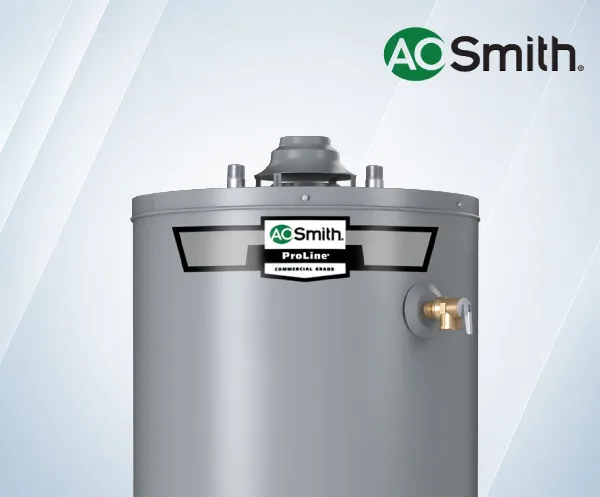
Thermostat or Gas Control Valve Failure
The thermostat determines when the water heater should begin heating, while the gas control valve regulates fuel delivery on gas-fired models. If either component fails, the water may never reach the selected temperature, become excessively hot, or the burner may stop responding altogether. Electric models can experience similar symptoms when the upper or lower thermostat fails.
We test thermostats, gas control valves, limit controls, electrical circuits, and burner operation to identify the faulty component before replacing it. This approach allows us to complete accurate repairs while avoiding unnecessary parts replacement.





FAQ
How long does an A.O. Smith water heater typically last?
Why is my A.O. Smith water heater leaking?
Why does my A.O. Smith water heater make popping or rumbling noises?
How often should an A.O. Smith water heater be flushed?
Do you repair both gas and electric A.O. Smith water heaters?

